

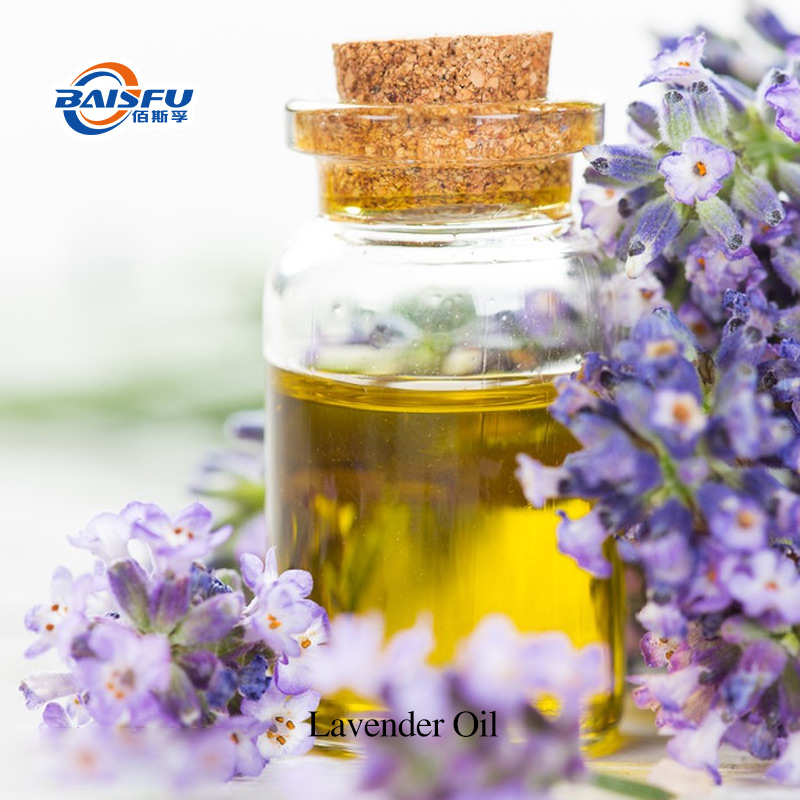
The core logic for choosing lavender essential oil is: first determine the purpose, then identify the variety, and finally check the indicators and compliance.
I. Clearly define the purpose: Decide which type you should purchase
Different purposes have completely different requirements for variety, purity, and safety
Food / Beverages / Baking flavoring: Food grade + Narrow-leaved Lavender (Lavandula angustifolia)
Cosmetics fragrances / Shampoo / Perfume: Cosmetics grade / Aromatherapy grade Narrow-leaved Lavender
Aromatherapy / Sleep aid / External skin care: Aromatherapy grade Narrow-leaved Lavender
Industrial fragrance / Scented candles / Air freshener: Hybrid Lavender essential oil (low cost, good retention)
II. Identify the variety: Decide on the aroma and safety
1. Narrow-leaved Lavender / True Lavender (Lavandula angustifolia)
The most recommended: The only choice for food, high-end cosmetics, and aromatherapy
Aroma: Soft, sweet, floral, almost no camphor-like sensation
Core components:
Linalyl acetate (Linalyl acetate): 40%–50%
Linalool (Linalool): 30%–40%
Camphor: ≤0.5%
2. Hybrid Lavender / Eye-catching Lavender (Lavandula intermedia)
A natural hybrid variety, with high yield and low price
Aroma: Predominantly herbal, with a distinct camphor / cool sensation, not as delicate as Narrow-leaved
Camphor content: 1%–5%
Applicable: Industrial fragrances, low-end cosmetics, home fragrance

III. Check core indicators: Use data to judge quality
1. Key component ratio (GC-MS report)
Linalyl acetate: ≥40% (High quality 45%+)
Linalool: ≥30%
Total: ≥75%
Camphor: ≤0.5% (Narrow-leaved Lavender)
Hybrid Lavender can accept 1%–5% camphor, but the purpose must be clear
2. Physical and chemical indicators (20℃)
Appearance: Colorless to pale yellow transparent liquid, no turbidity, no precipitation, no stratification
Density: 0.875–0.895 g/cm³
Refractive index: 1.459–1.470
Optical rotation: -10° ~ -3°
Excessive deviation is usually due to adulteration, oxidation or inferior oil.
3. Safety indicators
Heavy metals: Pb≤0.1mg/kg, As, Hg≤0.05mg/kg
Solvent residues: Ethanol, acetone, etc. ≤50ppm
Microorganisms: Complies with corresponding food / cosmetics grade standards
Food grade must: No synthetic fragrances, no mineral oil / vegetable oil dilution

IV. Smell judgment: Quickly screen out inferior products
Without instruments, a preliminary screening can be done using smell paper / test paper:
Aroma characteristics of high-quality lavender oil
Top note: Fresh, slightly sweet herbal, not offensive
Middle note: Full floral aroma, mainly sweet from linalyl acetate
Base note: Gentle woody undertone, natural retention
Overall: Round, balanced, clean, no rancidity, no burnt smell, no chemical sensation
Post time:2026-02-03


